
Most agencies sell hours. Thumbprint Strategic Media sold hours too, but it also shipped four of its own products, and the oldest one had been running for years before the company existed.
Imagine was mine, and I took it with me. I built the first version so that people who were not developers could publish their own pages. Every job after that, I brought it along and rebuilt it for the new problem. It was the most valuable thing I owned.
Imagine
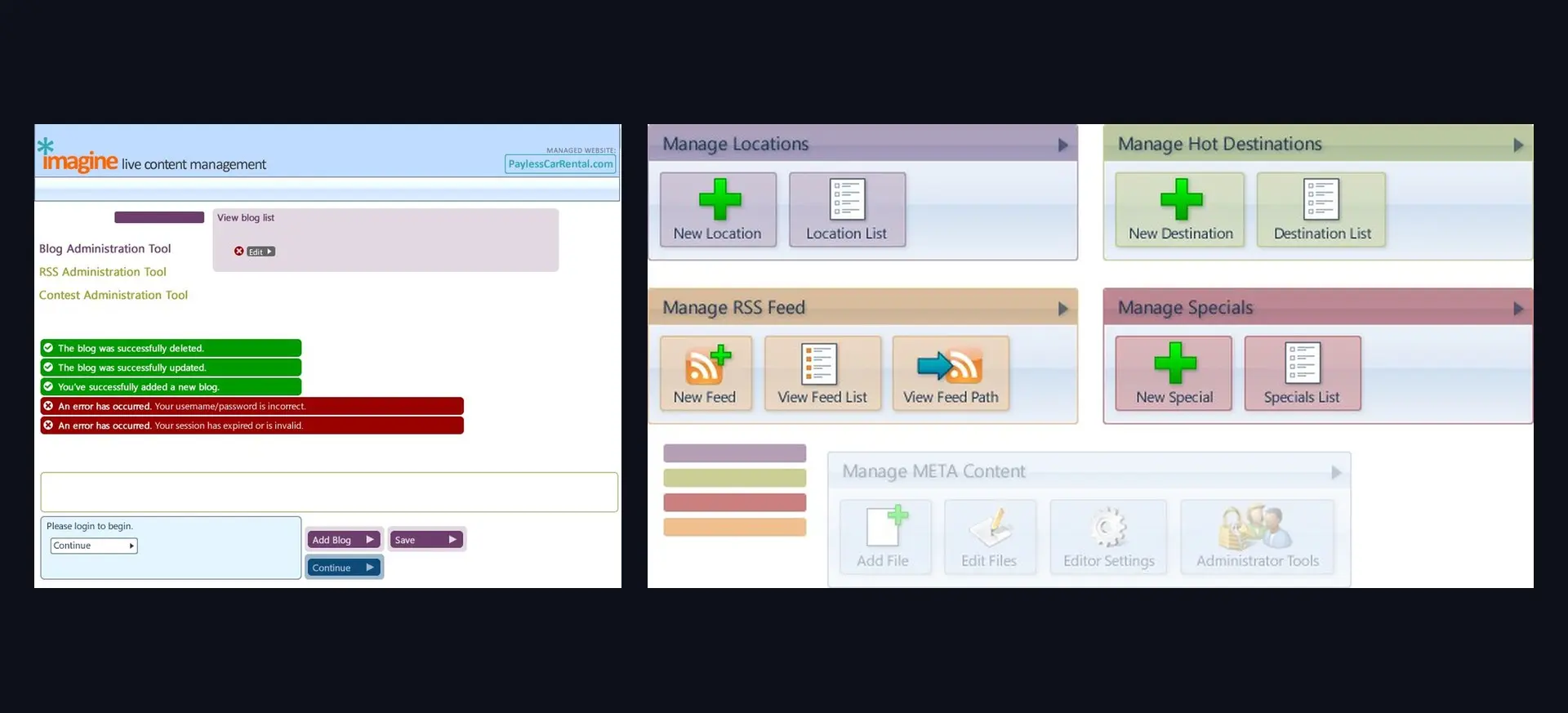
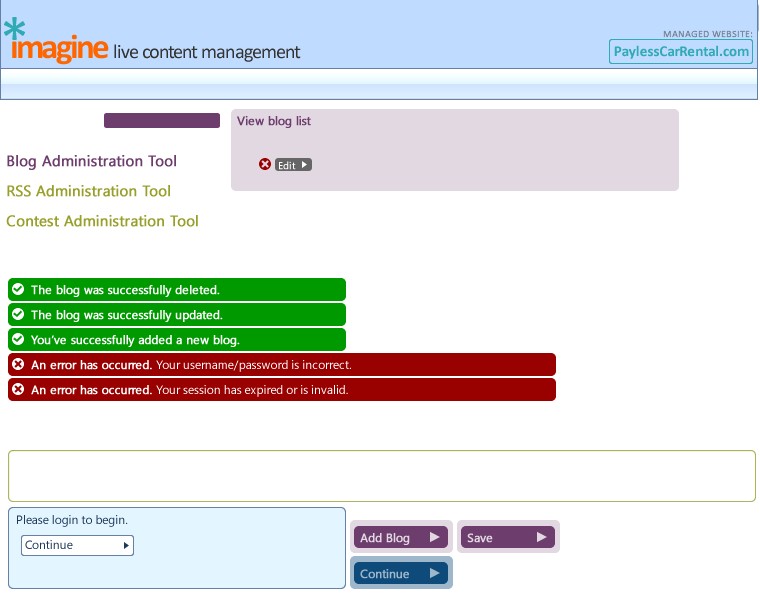
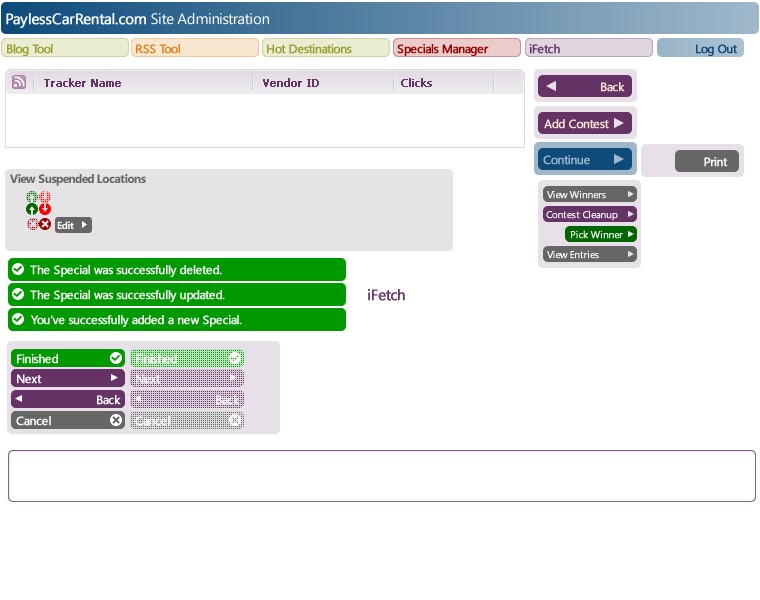
The giveaway is in the header. Top right of every screen it reads MANAGED WEBSITE: PaylessCarRental.com. The install announces which site it is currently running. It was never built for one client. That is the whole reason it could travel.
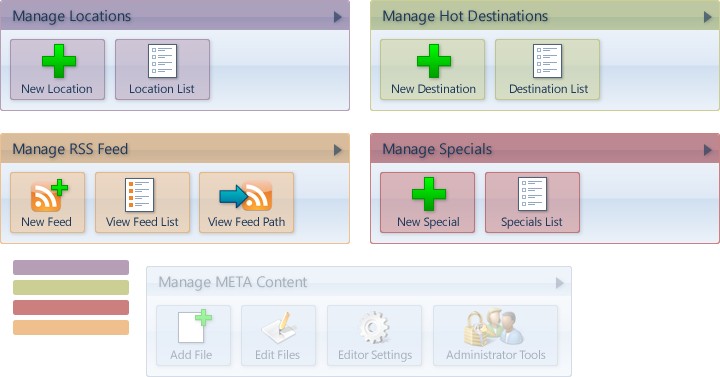
The module list is a rental company’s vocabulary: locations, hot destinations, specials. Swap those modules and the same shell runs a school district or a supplement shop. The contest engine lived here too, which is why the Payless promotions ran without a developer: marketing added a contest, picked a winner and exported the entries themselves.
Where it went
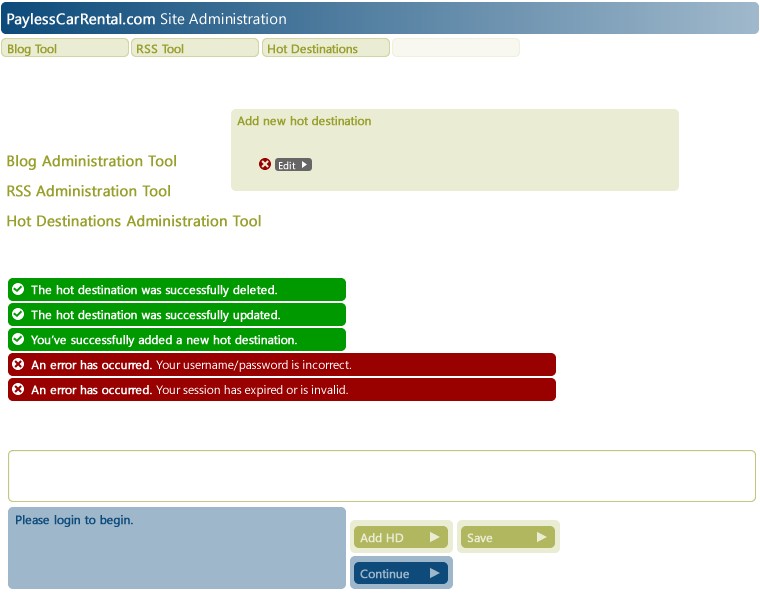
The archive shows the trail. The earliest structure is a school district running 67 staff pages and three schools, each maintained by the person whose name is on it. Then Payless, where Imagine sits in the administration directory of both the live site and its production database backups. Then a client, Holistic Alternatives, with its own manage/imagine.asp. Then Thumbprint, where it became the product the agency sold.
Same idea every time: the people who own the content should be able to change it without calling me.
What got built around it
Three more products came out of the same workshop, each one a thing a client had asked for often enough that it was worth building properly.




The tracker had three names
Imagine was not the only thing I kept rebuilding. A link tracker starts in 2006 as Fetch, built under my own shingle. In 2007 it is inside Payless as iFetch, a tab in the Imagine nav beside Blog Tool and Specials Manager. By 2009 it is refPrint, a Thumbprint product with its own identity. Same three columns the whole way.


Its middle-period mark, goFetch, is still sitting in the Imagine source folder where I left it.
ClientWire, and the three-party problem
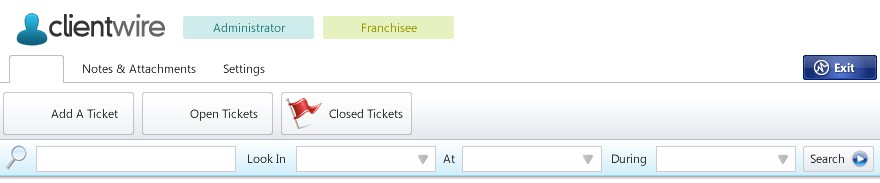
A rental complaint is not between two people. There is the customer, the franchisee who ran the counter, and corporate who owns the brand. Any of the three can be the one who has not replied yet.

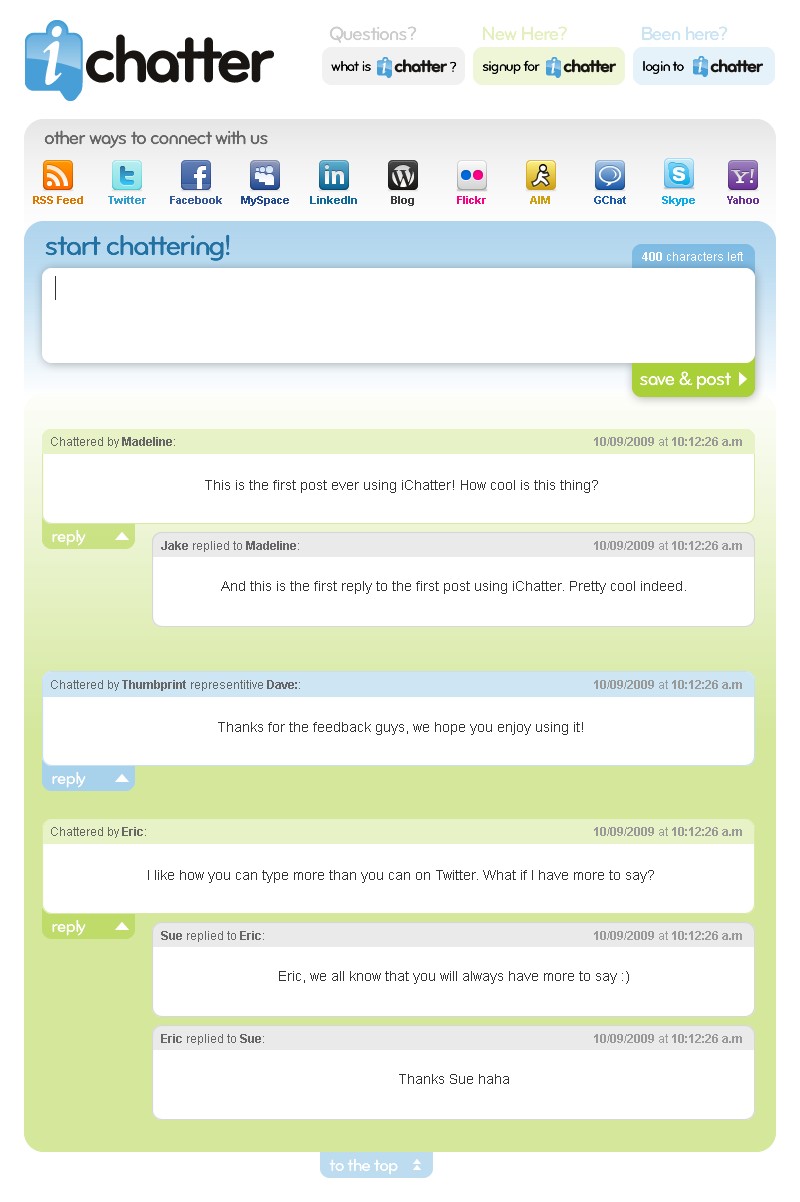
iChatter
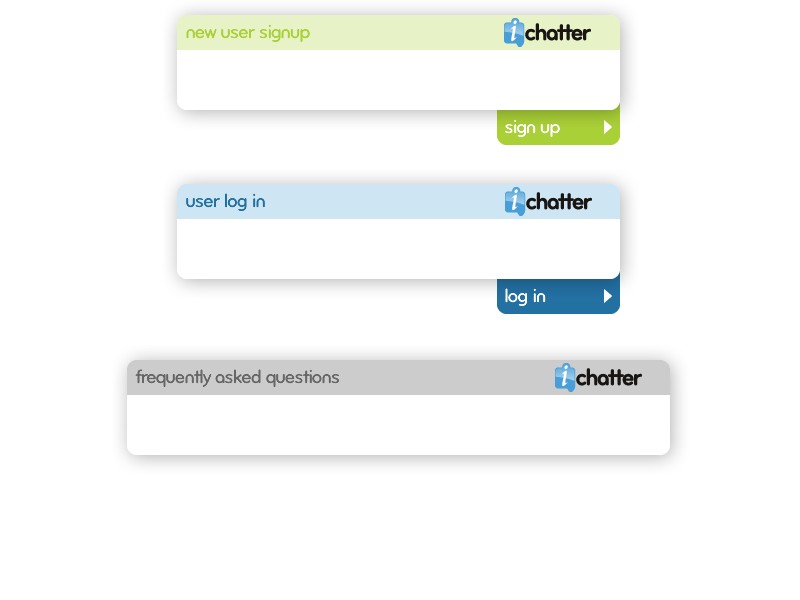
Provenance: recovered in 2026 from a disk image of the drive these projects were built on, the only surviving copy. Imagine 939 files (2007–2011), ClientWire 256 (2009–2010), iChatter 94 (2010), refPrint 21 (2009–2010). Screens are the original Fireworks design sources, flattened onto white and otherwise unretouched.